

The Endangered Vaquita - A Rare Porpoise
May 31, 2018
The Endangered Vaquita - A Rare Porpoise
The Sea of Cortez is a 50-70-mile wide, thousand mile long strip of ocean separating the mainland and the Baja California of Mexico. It is a unique location because Sea of Cortez is very near to the great Sonora desert. The unique combination of desert and seashore is full of flora and fauna. Because of this, many small towns and villages surround the region and residents mainly depend on fishing and hunting as their source of income and food. In fact, because of the spectacular fish, animals and sea life of the region, thousands of tourists have begun visiting these areas. Slowly, but surely, tourism has grown, but so have the activities of the fishermen.
Many sea animals, fish and plants across the planet are on their way to extinction due to crowding of people and various activities like over-fishing. The waters of this ocean are home to the enormous blue whale, a few species of dolphins and the vaquita porpoise. The vaquita, a rare species of porpoise, inhabits the northern region of the Sea of Cortez.
The vaquita is a small porpoise and is one of the six species of porpoises found in the world. They are smaller in size (compared to the dolphins), usually swim near the shoreline, have sharp teeth and small flippers. Vaquitas are quite distinct from other porpoises because they are gray in color with black rings around their eyes. Vaquitas are slow and quiet creatures, not found in many waters and are very averse to the noise of people or boats.
In fact, little is known about the habits, behavior etc. of the vaquita because they are a rare species. The bad news is their numbers are dwindling further due to human encroachment and activities. Vaquitas are not decreasing in number because fishermen fish for them or intentionally catch them. They are accidentally getting caught in the nets put out by fishermen to catch other species like shrimps and squid. On average, at least 50 to 60 vaquitas are being killed in nets every year (in the Gulf), and at least 50 young vaquitas need to be reproduced every year to just maintain the population.
Many people have come forward from many regions to help save this species. Biosphere Reserves are being created. One such reserve is located near Puerto Penasco, Mexico. The good news is, although vaquitas are still getting trapped in nets the numbers killed is beginning to decrease.
Related Articles

May 22, 2026
Puerto Peñasco Vacation Rentals: Why Laguna Shores Beats Airbnb
Looking for Puerto Peñasco vacation rentals? See why Laguna Shores Resort offers a better experience than Airbnb or Rocky Point rentals — direct booking, beachfront access, and full resort amenities.
Read moreMay 15, 2026
Puerto Peñasco All-Inclusive Family Resort: What You Need to Know
Planning a family trip to Puerto Peñasco? Learn what all-inclusive family resorts in Rocky Point really offer — and why Laguna Shores Resort is the top choice for families in 2026.
Read more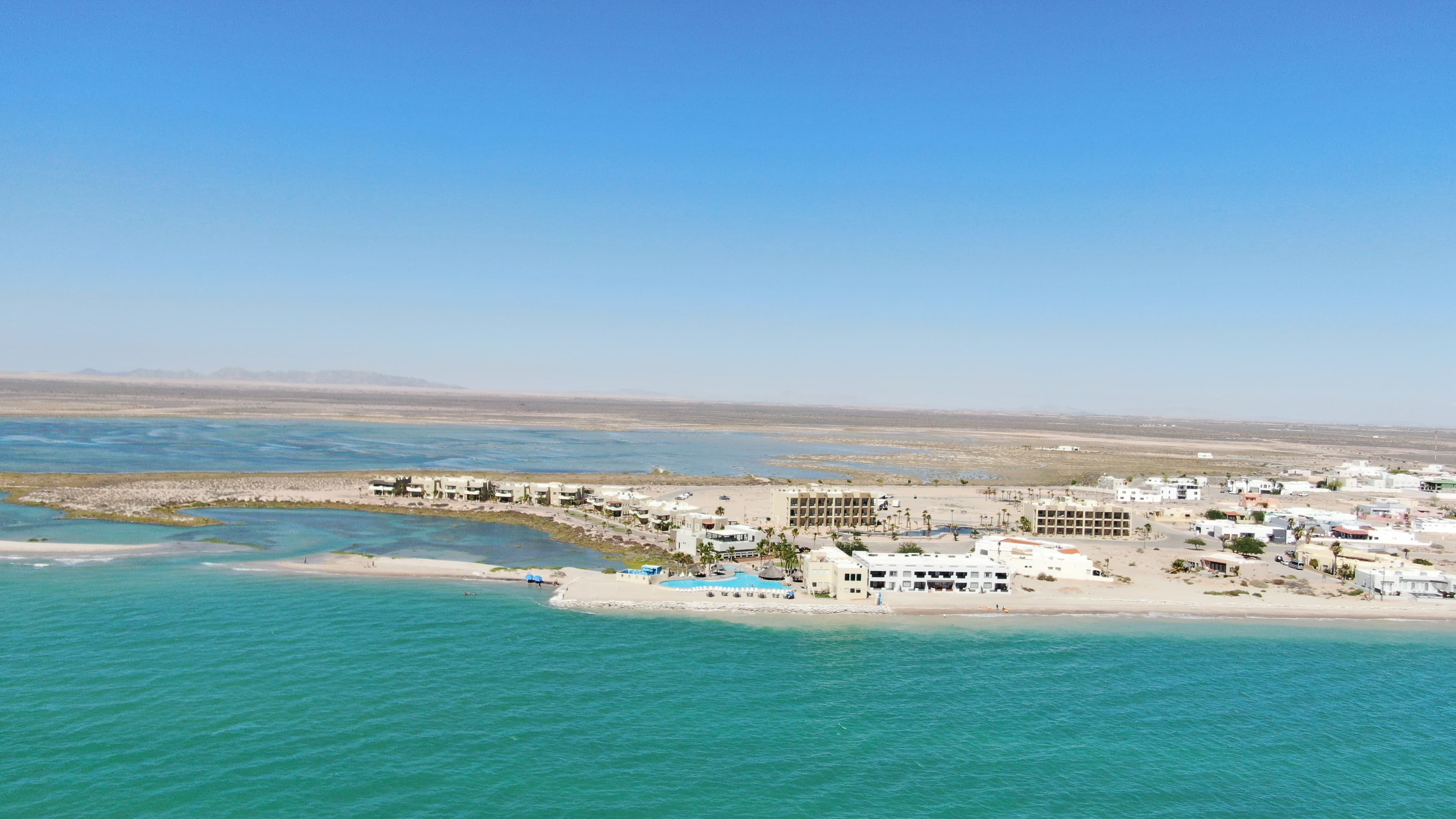
May 8, 2026
Best Beachfront Resorts in Puerto Peñasco (Rocky Point) — 2026 Guide
Looking for the best Puerto Peñasco resort on the beach? This guide covers the top beachfront resorts in Rocky Point, Mexico — including what makes Laguna Shores stand out from the rest.
Read more